
|
| You might also like: | Cephalopod Printouts | Gulper Eel Printout | Dugong Printout | Eel Printouts | Manta Ray | Today's featured page: Plant Theme Pages Theme Pages: K-3 Themes |
| Squid Label Me! Printout | EnchantedLearning.com |
Animal Printouts Label Me! Printouts |
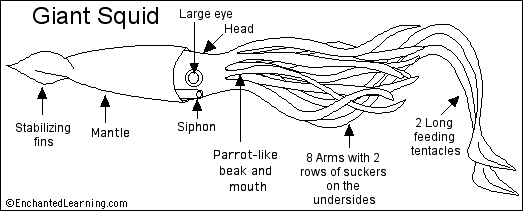
These soft-bodied cephalopods are fast-moving carnivores that catch prey with their tentacles, then poison it with a bite from beak-like jaws. They move by squirting water from the mantle through the siphon, a type of jet propulsion. The Giant Squid's only enemy is the sperm whale, who hunts it deep in the ocean.
Anatomy: The largest-known Architeuthis was 57 feet (17.5 m) long. They have eight arms, two longer feeding tentacles, a beak, a large head, and two eyes, each the size of a basketball. They breathe using gills.
Diet: Giant squid are fast-moving carnivores (meat-eaters) that catch prey (probably large marine creatures) with their two feeding tentacles, then hold the prey with the eight arms and bite it into small pieces using a parrot-like beak. The esophagus runs through the brain, so the food must be in small pieces before swallowing.
| Search the Enchanted Learning website for: |